2011年10月17日星期一

7 U.S. Cities on the Verge of Bankruptcy

Posted by Mike Tirone - Friday, October 14th, 2011

The harsh economic climate is changing. The time has come when citizens and companies aren’t the only ones being forced to file for bankruptcy…
Major cities are among the ranks of those in dire straits.
On Wednesday, Pennsylvania's capital city Harrisburg opted for the rarely used Chapter 9 of the U.S. bankruptcy code.
The current struggle is between the state and city of Harrisburg over control of the city, whose population of around 50,000 people had been having difficulties paying for critical services for over the past year. On top of that, the city has incurred as much as $458 million in debt and several lawsuits with creditors.
“The city does not have the ability to pay those money judgments or any significant portion thereof and still provide health and safety services to its citizens and other essential government services,” said Mark Schwartz, an attorney hired by the City Council.
According to Schwartz, bankruptcy gives the city “bargaining power” with its creditors, municipal workers, retirees, and the state.
"Municipal bankruptcies are rare. But if Harrisburg is successful in winning concessions with bondholders, pensioners and other stakeholders, it could lead other financially troubled cities to seek bankruptcy."
As of 1937, only 629 municipal bankruptcies under Chapter 9 of the U.S. Bankruptcy Code have been filed. Most recent of these is Orange County, California, which filed for bankruptcy back in 1994, and Vallejo, California, following in 2008.
Is your city or town next to fall onto the sword and file for Chapter 9?
The 7 U.S. Cities on the Verge of Bankruptcy
Washington, D.C.
 washington train
 City  Population: Deficit through 2012:
Budget in Fiscal year 2012:
Annual Budget Shortfall: Deficit per Capita: 2011 Unemployment Rate
Washington, DC 599,657 $322 million $9.6 billion 3.4% $537 11.1%

The District's deficit was cut in half in 2010 due to tax increases, but Mayor Vincent Gray's budget plan calls for $127.2 million in tax and fee increases within income, parking, off-premise alcohol, and franchise taxes – in addition to public transportation fare increases, while cutting economic development, public safety, public education, and social services.
Still, Gray's plan will leave the Washington Metro Area in the red. He says the budget would inflict some pain: “[It’s] a tough budget, I'm not going to represent it as anything else,” he admits. Yet little more than a week after his budget plan was announced, he was arrested for protesting that Congress (which oversees the DC budget and laws) was taking away autonomy granted to the city for the last several years, meaning it will be banned from spending city money on things such as HIV prevention.
Detroit, Michigan
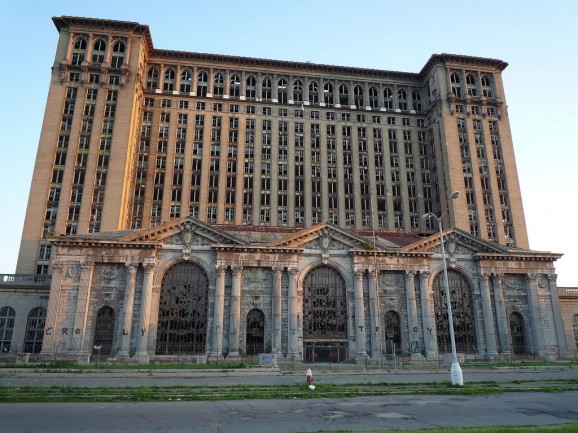
 detroit
 City  Population: Deficit through 2012:
Budget in Fiscal year 2012:
Annual Budget Shortfall: Deficit per Capita: 2011 Unemployment Rate
Detroit, Michigan 713,777 $155 million $3.11 billion 5% $217 12.9%

Recently cited in a Reuters poll as highest potential candidate for municipal bankruptcy, Detroit mayor Dave Bing has tried to work with the Republican-controlled Michigan Legislature – but has struggled. His budget-balancing proposals include a higher tax on Detroit casinos, pension reforms, the suspension of state drive licenses for three unpaid Detroit parking tickets, and continuing to collect income and utility taxes. With the city’s dropping population comes less money generated from taxes, sinking the Motor City in even deeper debt.
Honolulu, Hawaii
 honolulu
 City  Population: Deficit through 2012:
Budget in Fiscal year 2012:
Annual Budget Shortfall: Deficit per Capita: 2011 Unemployment Rate
Honolulu, Hawaii 905,034 $100 million $1.93 billion 5.1% $110 5.2%

Honolulu Mayor Peter Carlisle was investigated by the local Honolulu Civil Beat which went on to reveal the Mayor had budgeted more than $43 million to fund 1,095 unfilled jobs for 2012. Carlisle’s first budget plan set out to tackle long-term debt; he said he would raise taxes and fees while asking unionized city workers for 5% pay cuts.
New York City, New York
 nyc time square
 City  Population: Deficit through 2012:
Budget in Fiscal year 2012:
Annual Budget Shortfall: Deficit per Capita: 2011 Unemployment Rate
New York City, NY 8.1 million $4.58 billion $65.7 billion 7% $565 8.7%

Mayor Michael Bloomberg has already begun to address the FY2012 deficit by calling for layoffs in all city agencies, closing 20 fire departments during night hours, and reducing services for seniors, libraries, and cultural centers. Bloomberg dismissed around 6,000 of the city’s 75,000 teachers in June before the state passed its $66 billion budget with note to no more teacher layoffs. The New York City Mayor's office has predicted the city's budget gap could rise to $4.4 billion.
Chicago, Illinois
 chicago
 City  Population: Deficit through 2012:
Budget in Fiscal year 2012:
Annual Budget Shortfall: Deficit per Capita: 2011 Unemployment Rate
Chicago, Illinois 2.7 million $636 million $8.2 billion 7.7% $2353 10.2%

Chicago's former mayor Richard Daley destroyed the Windy City’s finances by using up nearly the entire revenue from a long-term lease of the local parking system and airport. The lease was supposed to last until 2018, but only made it to 2010. Chicago hopes to build a city-owned casino to raise revenue. Meanwhile, newly-elected Mayor Rahm Emanuel's first budget proposal was unveiled and focuses on large cuts. His new plan consolidates police and fire headquarters, reduces library hours, and takes out 2,000 vacant jobs – some of them police – out of the budget. Emanuel’s plans include the layoffs of more than 500 people.
Cincinnati, Ohio
 cincinnati
 City  Population: Deficit through 2012:
Budget in Fiscal year 2012:
Annual Budget Shortfall: Deficit per Capita: 2011 Unemployment Rate
Cincinnati, Ohio 331,285 $60 million $1.2 billion 20% $181 8.7%

The City of Cincinnati has been keeping much of its fiscal policies quiet, only briefly announcing budget cuts and layoff plans for the past two years. Many believe the city’s limited announcements are in preparation to file for bankruptcy… Mayor Mark Mallory has been holding off discussion of the proposal set forth that the city will not lay off police officers in 2011 or 2012. Mallory is using his “campaign season” as an excuse to avoid addressing his plan to lay off police officers in the next two years while outsource the force to the neighboring city of Hamilton and dismantling the Office of Environmental Quality.
Camden, New Jersey
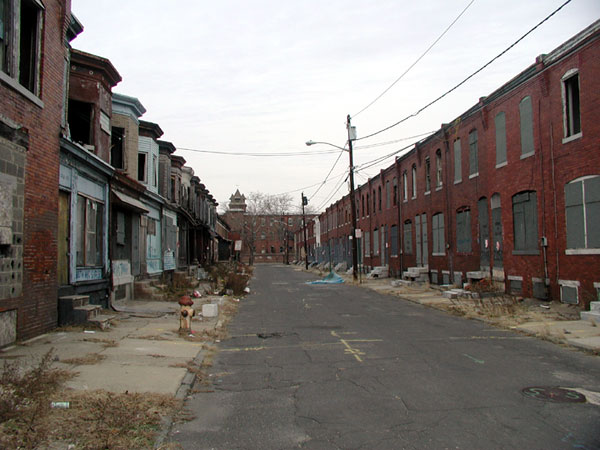
 camden
 City  Population: Deficit through 2012:
Budget in Fiscal year 2012:
Annual Budget Shortfall: Deficit per Capita: 2011 Unemployment Rate
Camden, New Jersey 517,234 $28 million $138 million 20.2% $54 11.1%

Newly-elected Mayor of Camden, Dana Redd, came into power and began ruling with a strong fist, but she still has a long way to go to dig the nation's most dangerous city out of deficit… In her 2011 budget proposal, Redd called for departmental budget cuts of 24%, a $4 million reduction in operating costs, a freeze on all non-essential spending, $7.5 million in cost reductions to the Fire Department, and worst of all, a $14 million reduction to the Camden Police Department – which in turn, cut the entire force in half.
Bonus list: Practically every major city in California: San Diego, San Jose, San Francisco, Los Angeles
San Diego
 san diego
 City  Population: Deficit through 2012:
Budget in Fiscal year 2012:
Annual Budget Shortfall: Deficit per Capita: 2011 Unemployment Rate
San Diego 3 million $56.7 million $2.8 billion 2% $19 10.2%

Despite cuts within the public and higher education sectors and fire engine cutbacks, San Diego is still in a deep hole. The fire stations had thousands of blackouts as the cuts rotated throughout different stations to save $11.5 million the current fiscal year. Weekly recreation center hours will be reduced to 20 hours, and the equivalent of 77 full-time positions were cut, saving $6.5 million. The city proposed 6% pay cuts for employees and has cut out 120 full-time positions.
San Jose
 san jose
 City  Population: Deficit through 2012:
Budget in Fiscal year 2012:
Annual Budget Shortfall: Deficit per Capita: 2011 Unemployment Rate
San Jose 894,943 $115 million $2.5 billion 4.6% $128 10%

San Jose Mayor Chuck Reed said it best, “Whether or not we declare an emergency, we're in an emergency. We just laid off police officers. Last year, we laid off firefighters. We've closed libraries, community centers. We are in an emergency and we need to take action.” Reed also looks to close the deficit by reducing services and controlling the cost of retirement.
San Francisco
 san francisco
 City  Population: Deficit through 2012:
Budget in Fiscal year 2012:
Annual Budget Shortfall: Deficit per Capita: 2011 Unemployment Rate
San Francisco 808,976 $380 million ($480mil for '12-'13, $642mil for '13-'14) $6.8 billion 5.5% $470 9.7%

Mayor Edwin Lee presented his $6.8 billion budget proposal aiming to close the $380 million shortfall caused by growth in employee benefit costs and loss of revenues from state and federal government. The city will cut San Francisco's deficit by forgoing scheduled pay increases for city employees – saving $20.2 million – and enacted a hiring freeze.
Los Angeles
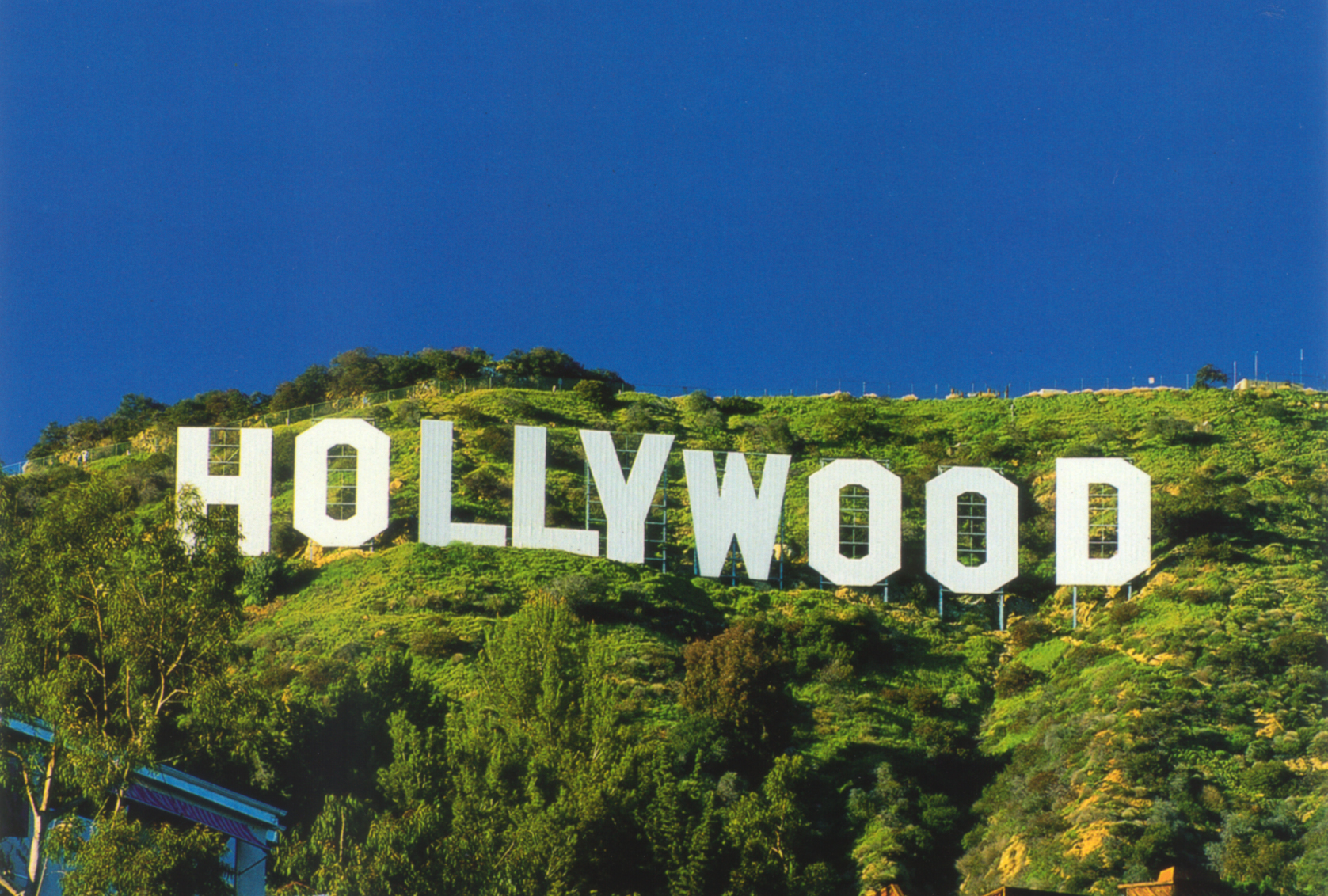
 LA hollywood
 City  Population: Deficit through 2012:
Budget in Fiscal year 2012:
Annual Budget Shortfall: Deficit per Capita: 2011 Unemployment Rate
Los Angeles 9.8 million $457 million $6.9 billion 6.6% $46 13.3%

Mayor Antonio Villaraigosa closed a $336 million shortfall with large cuts to the police and fire departments while also cutting $19 million from Recreation and Parks Department. Also, Los Angeles' homelessness programs reduced funding by 10%, and permanent cuts to city spending have been made while reducing funds for public safety, library operations, and street preservation and maintenance.
*Combining all these four California cities, you get a deficit of $1.01 billion, a budget of $19 billion, and an annual budget shortfall of 5.3%. The unemployment rate of the four cities totals 10.8% or 1.572 million unemployed.

In June, Governor of California Jerry Brown signed the most austere fiscal package in decades. The package contains $15 billion dollars in cuts including:
$5 billion in health and human services
$1.3 billion in higher education
$1 billion in corrections
$350 million in the state's court system
$700 million in state employment compensation and governmental efficiencies
$400 million in California Community Colleges
The budget also has a clause for $2.5 billion in triggered cuts, meaning if anticipated revenue doesn't equate, there will be additional mid-year reductions in public education, public safety, higher education, and health and human services.
If it seems like a handful of California cities are in a financial bind… the entire Golden State is actually teetering on the edge of bankruptcy... as are many other of the major cities in the United States.

2011年10月16日星期日

Martin Armstrong - Lessons from ’87 Crash & What’s Coming


When asked to tie the lessons from the 80’s into what we will see going forward, Armstrong stated, “Volatility will increase 50% over the next two years and then towards the latter part of about 2016 it will double again.  Volatility will increase dramatically, that’s the way markets work.  If you boil a pot of water when it gets to the boiling point, all of the sudden the water just bursts into bubbles.  That’s the way a market is.  So we haven’t seen anything like that in gold.


When you see that, that’s the time when you are getting into the final high.  Largely that is a factor of confidence and what is happening is that people are losing confidence in everything around them.”

Martin also discusses the White House coming back to him after the Crash of ’87 for help and much more. The KWN audio interview with Martin Armstrong is available now and you can listen to it by CLICKING HERE. 

http://kingworldnews.com/kingworldnews/KWN_DailyWeb/Entries/2011/10/14_Martin_Armstrong_-_Lessons_from_87_Crash_%26_Whats_Coming.html

金融即將崩潰21前兆黑色十月危機四伏

全球金融市場將會在十月達到拐點嗎?目前有很多跡象暗示金融世界將經歷精神的崩潰。大規模的投資資金正在退出 股票市場,巨大的賭注將在十月攻擊標準普爾500 指數。歐洲債務危機將繼續惡性發展,不可思議的金融變化正在席卷全球。所有這些不尋常的活動表明某種大事件將要發生嗎?我們並不希望。但是從歷史上看,最 大的股市崩潰將要在秋季發生。所以,我們正處在“黑色十月”的邊緣。

下面的 21 個跡象暗示著金融世界將發生一些重大的事情,全球金融市場正處在精神崩潰的邊緣……

1.我們看見目前正有數量驚人的賭注投向標準普爾500 指數。根據美國有線新聞電視網,上個月,投向標準普爾500 的賭注金額達到了一年中的最高水平。但是這與我們所看到的十月份的金額相比不值一提。十月份投向標準普爾500 指數的賭注金額是極度令人驚嘆的。一些人正準備趁下個月股市崩潰大賺一筆。
2. 投資者正在從股市中大規模撤資。難道他們知道一些我們不知道的事情?下面是從《金融郵報》中一個報導中進行的摘錄……投資者已經從美國股票基金撤資,從4 月低開始,撤資的數額比雷曼兄弟倒閉後5 個月撤資的數量還多,增加了美國股市2.1 萬億美元的動蕩。
過去4 個月大約750 億美元從股票基金中撤出,彭博咨詢依據華盛頓的投資公司研究院和麻省的基金行業調查公司(EPER Global)所編制的數據顯示,從2008 年10 月到2009 年2 月撤離的資金是728 億美元。
3.西門子公司已經從兩家主要的法國銀行撤離了超過5 億歐元,並將這些錢存入了歐洲中央銀行。他們是知道什麼事情,還是僅僅有些緊張呢?
4.星期一,標準普爾將意大利的信用評級由A+下調至A。
5.歐洲中央銀行正在購買更多的意大利和西班牙債券,以試圖為迅速發展的歐洲金融危機降溫。
6.美聯儲、歐洲中央銀行、英格蘭銀行、日本央行和瑞士國家銀行發布聲明表示,它們將在10 月、11 月和12 月為歐洲商業銀行提供“無限”的資金。
7.到目前為止,意大利最大的銀行已經損失掉其超過一半的價值,第二大的銀行損失了44%。
8.安格拉‧默克爾的團隊在德國當地的選舉中正變得窘迫。最新的民調顯示,令人驚訝的82%的德國人認為她的政府在處理希臘危機中變現糟糕。目前,德國的民眾意見是對援助持負面態度,這對希臘來說是非常糟糕的消息。
9.希臘此時正經歷了完全的經濟崩潰。看看最近《衛報》的一篇社論提供的數據吧……首先想想危機的規模,在2009 年和2010 年的經濟收縮後,2011 年二季度GDP 進一步下跌了7.3%。在這個人口1100 萬的國家里,失業人口正接近90 萬,並預期超過120 萬人。這些數據讓人想起了1930 年代的大蕭條。
10.2009 年,希臘的債務佔GDP 的比率大約是115%。如今,希臘這個比率是160%。所有的節制消費的措施對他們來說根本無助于解決長期問題。
11.希臘債券的1 年期收益率目前超過了129%。一年前這些債券的收益率在10%以下。
12.希臘副財長Filippos Sachinidis 稱,希臘的資金只能堅持到下個月為止。
13.意大利目前債務佔GDP 的比率大約是120%,並且它們經濟規模要遠遠大于希臘的經濟規模。
14.葡萄牙兩年期債券的收益率現在超過了17%。一年前這些債券的收益率僅為4%。
15.中國似乎對歐洲銀行的穩定產生了擔憂。下面的內容來自于路透社最近的一篇報導……一家中國大型國有銀行停止了與許多歐洲銀行的外匯遠期和互換交易,原因是歐洲無停止的債務危機。星期二路透社從兩條途徑得到此消息。
16.歐洲中央銀行目前購買的黃金超過其出售的數量,這是超過20 年來第一次發生的事情。
17.IMF 首席經濟學家稱︰全球經濟進入了“危險的新時期”。
18.以色列拋售了46%的美國國債,俄羅斯也拋售了95%的美國國債。它們難道知道我們所不知的事情?
19.全球金融市場正期待美聯儲這周發布新的債券購買計劃,以進一步降低債券的長期利率。
20.如果一些富有的投資者相信奧巴馬的稅收計劃有希望在國會通過,他們也許開始在今年年底拋售股票,以避免在2012 年遭到更大的稅收。
21.根據美林最新發布的研究,美國經濟有80%的概率進入另一場衰退。當金融市場的情緒真得變得如此緊張,其結果是將推動一場大規模的多米諾股票效應。但願十月份不會發生什麼大事。
但願全球金融市場不會經歷一場精神崩潰。但是目前的局面更像是2008 年的每一天。引起 2008 年危機的問題還都沒有解決,如今的金融體系是二戰結束後最脆弱的時候。正如我昨日所說,美國從未真正從上場金融危機中復甦。
如果我們在下個月看到另一場大規模的金融崩潰,其結果將是毀滅性的。我們正逐步喪失抵抗力,準備著被擊倒的那一天。讓我們期待金融世界能聯合一致。我們不需要更多的經濟傷害。

http://news.creaders.net/

PERTH MINT OUT OF SILVER??

http://www.silvergoldsilver.com/


2011年10月15日星期六

Four Reasons to Store Your Gold Overseas

 在外國人眼中,香港買金是便宜,還有說到,相對住西方銀行....
香港銀行比較可靠....(呢樣就見人見智啦)


Posted by Mike Tirone - Friday, October 14th, 2011

Earlier this week, we mentioned how the next few years will be monumental for gold owners and how finding ways to hide your gold would be wiser and safer for you and your family. After looking around for more resources about the matter, we've found a solution for those who feel uncomfortable burying their gold in the front yard or using it as a door stop.

Safe deposit boxes overseas, specifically Hong Kong.

A little background: Hong Kong is one the cheapest places in the world to buy gold and right now the yellow metal couldn't be any hotter. Just last week was the Chung Yeung Festival in Hong Kong, which is the Chinese holiday strictly focused all around gold. People buy as much gold as possible, store some of it, gift a lot of it, and resell even more. Why? Because of tradition and the fact that Chinese, similar to India and the Arab world, have a love for gold. These cultures have a different relationship with the precious metal than the west. They find more value in gold than paper currency, so most people own at least a little bit even if in very small denominations.

So with a region of the world obsessed with gold comes better storage facilities for it:

Bank safe deposit boxes are the common solution; when people think ‘valuables storage,’ they think bank safe deposit boxes. Ironically, this is exactly how banking first began– bankers were the safekeepers of people’s valuables. In exchange for securing people’s gold, customers would pay the bankers a fee. This is how safe deposit boxes work today.

Banks in Hong Kong are definitely more reliable and stable than those in the pocket of the governments of the western hemisphere, but the best place to store your gold is in private storage facilities. “They are typically unregulated and don't fall under a host of a various government inspection agencies.”

Wealth Wire has extensively searched the Internet (and some reliable sources over in Hong Kong as well) for the best private storage facilities in Hong Kong. Two companies have come up multiple times with strong reviews and all of the qualities of a storage facility we want: private, 24-hour security, reasonable prices, and most importantly, NOT in American banks.

The first is The Store House (www.thestorehouse.com.hk) which is a low-cost self-storage facility with mini-storage rentals. They have four locations in Hong Kong and have very strong reviews from Chinese and foreign customers.

But the company we feel that has the best for storing your gold is The Storage Limited (www.thestorage.com.hk) within the Sheung Wan district.

Their smallest safe deposit box is large enough to store several million dollars worth of gold coins for only around $80 a year and 8,000 square feet of storage are. But their downsides are this: they do not rent boxes anonymously but offer to rent through a corporation. And they are running out of room fast! The most popular, small boxes, are still available but say that the demand is extremely high.

Boxes are in a highly secure, bank-style vault with round-the-clock in-house security; box contents are automatically insured to HKD 100,000 (about $13,000 USD).

So here are the four reasons to actually store your precious metals overseas:

Having gold stored in a stronger economy with a gold-obsessed culture is not only safer but more sensible. It will be easier – and you'll have more opportunities-- to sell and exchange for something of value in a place like Hong Kong or India. If you sold gold in the U.S. you'd get the pathetically weak dollar, especially in the near future. But in Hong Kong and India, you could trade for ANYTHING. There would be tons of options with goods, services, currencies, etc.

Gold prices are rising through the roof and will continue to do so. The higher the price, the most valuable and crazy people get over the precious metal, therefore increasing the risk of confiscation. Like we have mentioned several times, the rise in crime corresponds with the rise in gold prices. People are being robbed, beaten, and killed for their gold. Protecting your gold is crucial, from the public, family, creditors, bureaucrats and purely greedy individuals. Storage facilities and banks in your home country are considered the same jurisdiction as you do, so if you're put in court, asset seizure is a very high risk.

For a U.S. taxpayer, gold or any precious metal stored overseas in your own vault is not a reportable asset, making it a legitimate means of storing wealth privately.

Personally transporting precious metals out of the country is – and will continue to be– extremely difficult. So if there were ever a time when you would leave your native country if (or shall we say when) the economy and government is getting worse, you'll want your assets somewhere safe. Therefore it is very wise to reposition your gold overseas beforehand in a country where it will be worth more, not being dug up by your dog in the yard, or stolen from the bank that has been taken over by the government.

If you're a gold owner, or soon to be one, we can't see how it could be any smarter, easier, or more efficient than to store your gold in a safe, private, overseas safe deposit box.

http://www.wealthwire.com/news/metals/2049

Behind the Scenes of Physical Bullion Dealers - The Cost, Supply, and Where to Buy

1933年雙鷹金幣之謎

http://news.hexun.com/2011-10-11/134099732.html 


金本位的殘影
“為了1933年雙鷹金幣,美國情報部門已經追踪了七十多年,先後更換了十二位負責人,美國間諜走遍了三個大洲,調查對象包括幾乎世界上所有的錢幣收藏愛好者。” 《商業周刊》文章寫道
  ■環球財經記者 劉美


2011年8月,關於一宗黃金財產糾紛的報導吸引了全球錢幣收藏家、黃金投資者和法律界人士的興趣。來自美國費城的老婦人瓊·朗博(Joan Langbord)和她的兒子,在與政府的官司中敗訴,他們被剝奪了繼承自上一輩的十枚美國1933年雙鷹金幣(19​​33 Double Eagle)的所有權,理由是“這些金幣從未合法流通”。
一時之間,“美國政府侵犯私人財產所有權”的討論充斥網絡。 “貨幣天然是金銀”的古老觀念,在多個國家流傳至今。更何況美國早在1977年就廢除了禁止黃金貨幣功能的《黃金儲備法》相關法案,金幣在美國不僅可作為收藏品,亦可合法行使貨幣職能(儘管在現實中很少有人這樣做)。政府又為何有權剝奪公民對金幣的所有權呢?要解釋這一切,還要從1933年雙鷹金幣的歷史說起。
 金本位的覆滅
1900年代初,在那個歐美各國普遍實行金本位的時代,美國總統西奧多·羅斯福請雕刻家奧古斯塔斯·聖·高登斯(Augustus Saint-Gaudens)設計了全新的20美元面值金幣的浮雕圖案,他希望能“設計一枚可與古希臘藝術品媲美的美國金幣”,以黃金的永恆來象徵美國國力的繁盛。從1907年開始,位於費城的美國鑄幣廠每年都要鑄造一批這種“雙鷹金幣”,一直持續到1933年。
那一年,已經持續了4年之久的大衰退不斷侵蝕著美國的國力,也終於摧毀了一度被視作永恆的金本位。 1933年3月4日,羅斯福家族的第二位總統——富蘭克林·羅斯福宣誓就職,擺在他面前的是全國范圍內的衰退與恐慌,銀行擠兌的狂潮導緻美聯儲黃金儲備陷入危機。 4月5日,就任剛滿一個月的羅斯福便簽署了“6102號總統令”,要求每個美國公民(特殊職業如牙醫、金製品藝術家、珠寶製造商、錢幣收藏家除外)只能保留價值100美元的黃金貨幣(相當於160克黃金),其餘必須在5月1日前兌換成紙質貨幣,違者將被處以重罰。
命令傳來那一刻,費城鑄幣廠已經鑄造了44萬5千5百枚雙鷹金幣,重達15噸,這些金幣被裝到1780個帆布袋子裡,鎖在費城鑄幣廠的三個地下保險庫中,等待總統和國會的進一步裁決。 1934年1月,國會通過了《黃金儲備法案》(Gold Reserve Act),賦予總統將黃金儲備國有化並改變美元黃金比價的權力,以便將美元貶值刺激經濟。總統於是命令將全國收繳上來的金幣全部毀掉,熔化為金條,這項工程過於浩大,美國鑄幣局陷入了手忙腳亂中。直至1937年初,才輪到這批1933年雙鷹金幣進入熔爐。其中有兩枚被官方保存下來,陳列在美聯儲紐約總部的一個展台裡。
就在1933年到1937年的這段時間裡,若干枚雙鷹金幣突破鑄幣廠的層層守衛,流落到錢幣收藏市場上。目前已知流落在外的1933年雙鷹金幣,全部可以追溯至同一名賣主,他的名字叫以色列·斯威特(Israel Switt),是一名來自費城的珠寶商。上世紀40年代,美國政府情報人員曾將他逮捕,在審訊記錄中,斯威特表示“不知道這些金幣是何時、何地、或是通過何種途徑”來到自己手中的,但“出售金幣的絕不是鑄幣廠工作人員”。
如此模糊的審訊記錄顯然另有隱情,但斯威特本人和曾參與此案的所有人員都已去世,人們或許永遠無法知道這些金幣是如何流出的。在這些“斯威特金幣”中,有一枚最為著名,正是它重新引發了人們對1933年雙鷹金幣的興趣,它的第一位所有者,就是埃及末代君主法魯克。
  法魯克的金幣
法魯克是一位頗具傳奇色彩的末代君王,他的個性放蕩不羈,曾留下不少風流野史。另一件軼事便是他習自埃及多位“名賊”的偷盜技術,據傳他經常在各國政要的聚會上展示絕活,甚至偷過英國首相丘吉爾的懷錶。
不過這枚雙鷹金幣並非偷盜得來,而是他通​​過另一位美國珠寶商作中介,花費1575美元從斯威特手中購得。跟他收藏的數千枚珍貴錢幣一起,陳列在富麗堂皇的開羅宮殿中。
1952年,法魯克被反對專制的政變者推翻,新政府決定變賣他的財產,其中包括這枚1933年雙鷹金幣。拍賣定於索斯比拍賣行進行,美國財政部獲悉後,立刻聲稱這枚金幣為美國的“國家財產”,要求埃及方面返還,隨後金幣被取消拍賣,從此杳無音信。
40多年後,英國著名錢幣收藏家史蒂芬·芬頓(Stephen Fenton)突然宣布自己擁有這枚“法魯克金幣”,並聲稱他是從一位跟埃及軍隊關係良好的珠寶商手中購得,買時花了21萬美元。而他公開此信息的目的,自然是尋找下一位買主。不久,一位美國珠寶商表示有興趣購買,並給出85萬美元的高價。
1996年2月,芬頓“把金幣揣在懷裡”,從英國飛往美國紐約。美國買主興奮地告訴他,已經有另一位神秘大亨表示,願意出165萬美元買下金幣。二人共同來到一家豪華酒店的秘密房間,等待跟那位神秘買家的會面。
“我覺得當時的情況有些神秘。”芬頓回憶道:“我對自己開玩笑說,會不會有秘密警察端著槍衝進來,像電影中演的那樣——結果他們果然衝了進來,簡直比電影還刺激。”
那位神秘買家原來是美國情報部門的線人,芬頓當場被捕,並被指控“企圖佔有並出售美國的國家資產”,很快在律師的幫助下,這個指控被撤銷,但金幣卻被沒收。
“如果只是為了紀念歷史,美聯儲的玻璃櫃裡不是已經有兩枚了麼?為什麼他們還要我那枚呢?”芬頓對此事頗為不解:“美國政府為什麼要花費如此多的時間和精力去搜尋這種金幣?”他決定爭取自己的“合法權利”。
經過5年的漫長訴訟,芬頓與美國政府達成了一個不同尋常的協議——這枚金幣將被拍賣,所得款項在兩者間平分。當時是2001年,這枚金幣正被保存在紐約世貿大樓一個屬於財政部的保險箱裡。在拍賣之前,金幣被取出存放到戒備森嚴的諾克斯堡軍事基地(Fort Knox),緊接著發生了“9·11”事件,曾經保存金幣的保險箱消失在廢墟中。 “倘若不是為了拍賣而被轉出,這枚金幣或許已經被毀了。”芬頓心有餘悸地說。
  獨一無二的“可流通貨幣”
“險些毀於9·11事件”的插曲更增加了這枚金幣的傳奇色彩。 2002年7月,“歷史上惟一一枚允許私人所有的1933年雙鷹金幣拍賣會”在索斯比拍賣行隆重舉行。當日盛況空前,多家電視台推出專題報導,《紐約時報》等主流媒體刊登了金幣的大幅照片,索斯比拍賣行發行了56頁的紀念畫冊,名為“1933年雙鷹金幣:獨一無二的珍品”。
跟宣傳相比,拍賣的實際過程卻十分簡單,總共只進行了6分鐘。這枚金幣起價為250萬美元,最終被匿名買家以660萬美元買下,加上手續費,買家總共付出759萬美元,相當於在那之前世界上最昂貴錢幣價格的2倍。
拍賣結束後,美國鑄幣局局長亨利埃娜·福爾(Henrietta Holsman Fore)主持了一個意味深長的儀式,她將金幣託在手上,當眾宣布:“請給我20美元紙幣,以便使這枚金幣成為流通貨幣。”
即將分得一半拍賣款的芬頓走上前去,將20美元紙幣放在局長手上,現場響起一片掌聲。 “局長指出了流通貨幣和收藏品的最大區別,美聯儲展台裡的兩枚1933年雙鷹金元只是收藏品,而只有這一枚才是流通貨幣。”芬頓對媒體解釋道。
“這是個皆大歡喜的結局。”拍賣結束後,芬頓對媒體說,“很高興事情以這枚金幣合法流入市場而結束。”
  然而,事情並沒有結束。
此次拍賣2年後,費城老婦人瓊·朗博和兒子打電話給當年芬頓僱用的那名律師,聲稱自己擁有10枚1933年雙鷹金幣。這些金幣是她從母親那裡繼承的保險箱底部找到的。她宣誓說,她的家族中“沒人知道這些東西從何而來”。 2004年9月,朗博母子通過律師與美國鑄幣局聯繫,希望能夠獲得跟芬頓同等的合同,即將金幣拍賣並跟政府平分收益。
索斯比拍賣行感到十分窘迫,因為他們之前已經大張旗鼓地將芬頓手中那一枚定義為“獨一無二的珍品”,當他們給兩年前的買家打電話告知此事時,對方半開玩笑地問道:“我是不是必須要把那10枚也照這個價格買下來?”
  即便他願意,也沒有機會了。 2004年底,美國鑄幣局派出工作人員,在律師證明下,要求朗博打開保險箱,將金幣交給鑄幣局保管——這位老婦人再也沒能拿回自己的金幣。一年後,鑄幣局宣布其工作人員“發現”並收繳了10枚1933年雙鷹金幣。憤怒的朗博母子決定付諸法律。
  得而復失的財富
今年7月,這樁官司在費城地方法院開庭審理。費城地區副檢察長代表政府回答了法庭的提問,她展示了朗博保險箱寄存銀行的記錄,從1996年到2003年,朗博曾頻繁到銀行打開保險箱,其中一次發生在芬頓那枚金幣拍賣的前一天。副檢察長暗示朗博早已知曉金幣的存在,這些金幣來歷的合法性值得質疑。
朗博回應道,她之前只是去查看珠寶,2004年保險箱的底部翹起後,她才發現金幣的存在。她在法庭上當眾展示了保險箱的內部構造,以證明自己所言非虛。
這10枚金幣也作為呈堂證據最後一次出現在世人面前,它們被裝在防彈玻璃罩中,下面襯著藍色的天鵝絨,散發著迷人的光彩。展出15分鐘後,它們就在軍警的層層保護下被送回諾克斯堡軍事基地。
當副檢察長被問到這十枚金幣與之前拍賣那枚的區別時,她回答道:“被拍賣的那一枚,大家都親眼見證了它成為流通貨幣的過程。那枚硬幣跟你口袋中的一樣,擁有美利堅合眾國政府全部的信譽保障(而這十枚則不然)。政府應對它發行的貨幣負有責任,防止其被偷竊和盜用。如若不然,這個國家就被毀了。”
原來如此,這10枚金幣缺少的,竟然只是一個“合法進入流通領域”的過程。道理雖然簡單,“合法流通”卻是由美國政府與美聯儲把關的一道難以逾越的鴻溝,即便其材質高貴如黃金,亦無法得到豁免。
2011年7月28日,費城法院作出判決,支持政府一方的主張,朗博母子並不擁有對這10枚金幣的合法所有權。
“1933年雙鷹金幣是個怪胎。這批金幣根本不應該出現在世上,可它們卻偏偏趕在總統命令沒有生效之前被鑄造出來;這批金幣根本不應該流通,可偏偏有一枚合法地'流通'了。”錢幣收藏家與投資顧問Jay Brahin表示:“此外,政府部門為何如此急切地想要尋回這批金幣,也是一個謎。”
“為了1933年雙鷹金幣,美國情報部門已經追踪了70多年,先後更換了12位負責人,美國間諜走遍了三個大洲,調查對象包括幾乎世界上所有的錢幣收藏愛好者。關於這種金幣的故事,已經衍生出兩本小說、兩本紀實文學和一部紀錄片。”《商業周刊》文章寫道。
很多人不理解美國政府為何如此執著,一些陰謀論者開始猜測這批金幣是否使用了某種“特殊材質”。 “我父親一直認為1933年雙鷹金幣可以辟邪。”金幣外流的始作俑者、珠寶商斯威特之子回憶道。然而,複雜表像下掩蓋的有時也許是簡單的事實,全面消除金本位時代遺留的殘影,竭力維護國家發行貨幣的信用和控制力,這個目的或許足以解釋美國情報機構鍥而不捨地追查1933年雙鷹金幣的原因。而發生在雙鷹金幣上不同的命運,也極具黑色幽默地闡釋了什麼叫做“貨幣天然是金銀”,但“金銀天然不是貨幣”。


PS

1933年美國雙鷹金幣的故事- -(創錢幣拍賣會最高價記錄7590020美元)


 舊 聞記趣- -有「錢幣中蒙娜麗莎」的美稱、1933年美國鑄造、唯一曾公開發行的- -面額20元「雙鷹」金幣,在2002年7月31日晚間紐約蘇富比拍賣會上,以含佣金共計七百五十九萬零二十美元(約折合台幣2億五千六百萬元)的天價售 出,創錢幣拍賣史的新高記錄。雙鷹金幣的歷史曲折離奇,牽扯到美國總統、埃及國王及美國秘勤局幹探的活動,還逃過「九一一」的浩劫,堪稱錢幣史上的奇珍。

31日晚間在紐約曼哈頓蘇富比拍賣所舉行的雙鷹金幣拍賣會歷時約九分鐘,在五百名錢幣收藏家及經紀人簇擁觀看下,共有八人叫價;另透過網際網路拍賣商「電 子灣」有五百三十四人全程追蹤拍賣。最後標得該金幣者,係由電話出價六百六十萬美元,由蘇富比資深副董--瑞登敲槌後成交。咸信該匿名買主居住

在美國,除標購成交金額外,他得另付出十五%的佣金給蘇富比,還有雙鷹金幣的面額二十美元給美國政府。

 http://tw.myblog.yahoo.com/