2011年9月23日星期五

美不印鈔 港人要為衰退備戰

美不印鈔 港人要為衰退備戰

(綜合報道)美國聯邦儲備局經過兩日會議後,決定不再推出新一輪量化寬鬆措施,改為以扭轉操作壓低長息,期望穩定經濟。消息公布後,市場憂慮經濟面臨收縮,港股大幅下挫,全球由擔心出現滯脹,變成恐懼衰退重臨。
聯儲局本周議息,被視為全球金融市場的重頭戲,戲碼就是繼兩輪大舉印鈔放水後,被譏為「坐直升機派銀紙」的主席伯南克,會否再推出第三輪量化寬 鬆措施。美國會否放水,本來在上月全球央行聯會會有啟示,當時伯南克已使出拖字訣,到了今個月,共和黨的重量級議員去信反對再推出量化寬鬆,已令到儲局出 招機會大減。
放水若釀滯脹 後遺症大
市場對印鈔救市的希望逐漸降溫,當消息證實,亞太股市大跌,美股昨晚開市亦下挫三百多點,這個跌幅其實已反映了財金當局不斷控制期望的成果,否 則華爾街股市反應可能還要強烈,原因是儲局不放水,改為採用賣短債、買長債的「扭轉操作」,勢難阻止經濟下滑的勢頭,前景荊棘滿途。
金融海嘯爆發經過幾年時間,西方經濟創傷仍未回復,最主要是實體經濟問題根本未有解決,發達國家債台高築,失業率偏高,形成惡性循環。表面上, 美國國債如雪球般滾大,形成惡性循環,骨子裏真正禍患是黨爭不息,總統和國會對峙、執政和在野兩黨互絆後腿,為來年的總統競選勾心鬥角,真正振興經濟的計 畫只聞樓梯響,單靠央銀獨力支撐,又怎能對抗接踵而來的危機?
受到次按和樓市泡沫爆破創傷,美國縱使在低息環境下療養多年,近日出台的數據仍反映增長乏力,大企業為保業績,紛紛舉刀準備裁員,市道隨時再受 重挫。政府債台高築,又無法說服國會加稅,結果只有兩條路選擇,一是冒滯脹風險,再度大舉印鈔;二是擺擺姿態,忍痛接受不景現實。無論那一條路,都不是無 痛良方。現在央行決定在現階段停止印鈔,經濟肯定面對下滑風險,資金於是由黃金、商品、股市流向美債避險,造成資產價格紛紛下挫。
壞消息陸續來 投資審慎
美國冒險印鈔或忍痛讓經濟自行調整,對香港都難免受到衝擊。兩害相衡,聯儲局若再開動印鈔機,帶來的後遺症會更深遠,原因是港元跟隨美元走軟,入口通脹強勁,加上本地失業率低,市道容易過熱,資產泡沫不斷膨脹,埋下日後硬着陸的禍根。
美國印鈔救市的憧憬破滅,造成今次股市大跌,繼之而來是衰退威脅襲來,產生的衝擊不宜低估。未來一段時間,不利消息可能還會陸續有來,港人應該 做好準備,處變不驚。至於投資者是否應該趁低吸納,先要看個人財政狀況,宜適當保留現金在手。由於經濟環境轉差,將影響企業盈利,投資宜分段吸納優質公司 股票,並有較長綫持有的準備。

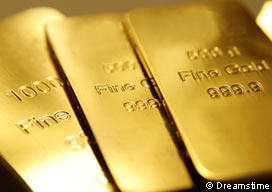
弱美元與現代「尋金熱」

馮觀榮、林建

閱 報得悉「世界電影經典回顧2011」系列將會在9月底重播差利.卓別靈的《淘金記》。差利.卓別靈自導自演的電影,筆者在童年時每一部都有看過,其中對 《尋金熱》(現譯《淘金記》)印象猶深。故事記述當年美國阿拉斯加州發現金礦,小人物差利.卓別靈與一群失業者也參加了淘金的行列,不幸遇上暴風雪,被困 在山上饑寒交迫之際,卻遇上昔日自己曾暗戀的舞孃;笑中有淚,淚中帶笑的情節,由是展開。電影中,被風吹得左搖右擺的木屋、差利吃鞋以充饑的場面,至今難 忘。
黃金重要性曾受懷疑 
差 利的《尋金熱》,製作於1925年,當時布列頓森林協定(Bretton Woods Agreements)還未有出台,但黃金作為財富保值工具早已深植人心。1944年,44個國家通過了布列頓森林協定,其中一個重要的內容,就是把黃金 與美元掛鈎,從此黃金就正式地跑上了國際貨幣的舞台,成為貨幣發行的基石。但好景不常,六十年代開始至七十年代初,爆發了多次美元危機,美元對黃金貶值, 美元與黃金掛鈎的體制名存實亡;1973年開始,世界各主要貨幣實行浮動滙率制,從此黃金的價格又再自由浮動起來。
由 於七十年代美元開始走弱,以美元計算的金價在脫鈎後仍然維持強勢,於1980年1月21日,創出了850美元一盎斯的高價,但由於黃金已失去其對貨幣的主 導地位,投資界開始懷疑黃金作為一個投資產品的重要性;八十年代中,香港就曾出現過「十年黃金變爛銅」的說法,果然,金價在1980年至2000年經歷了 20年的熊市,由800多美元跌至200多美元。
牛 熊交替,好像是投資市場不易的真理,黃金的價格在上世紀末跌至接近其生產價後,於2004年重上400美元,當時就有經濟學家Mark Thornton從技術分析角度出發,指出金價將會迎接一個長期的升勢(a secular bull market)(見【註】,Mark Thornton並於2005年預測樓市泡沫已達快要爆破的邊緣)。其後,金價真的節節上升,於上月(2011年8月23日)創出了每盎斯超過1900美 元的歷史新高,行文時金價還是居高不下,徘徊於1800美元一盎斯的高位。
事 實上,當黃金的價格於1999年跌至接近其生產價時,代表了投資界當時只把黃金等同於其他任何一隻商品,而把它的投資價值做了一個近乎百分之百的撇賬。他 們忽視了在戰爭時期及諸如當前經濟金融市場不穩定時期,人們往往對一些傳統資產的價值,比如證券、債券、現金等失去信心,轉而增加對黃金的需求。
近 年歐美各國的貨幣供應急劇增加,多個大國都受雙赤問題所困擾,黃金又開始重拾過往的江湖地位。金融海嘯後,美國經濟持續低迷,以及美國聯儲局的量寬貨幣政 策(QE)進一步弱化了投資者對美元的信心。美元持續走弱及近期的歐債危機,令投資者重投黃金的懷抱,新一輪的「尋金熱」由是興起,令金價於2010年突 破1000美元後,仍然能夠屢創新高。
美元與金價的負相關性
為 了對美元與金價的關係作進一步的量化分析,我們搜集了2000年1月至2011年9月有關黃金價格和美滙指數的資料,其走勢見【圖】,兩者互相背馳的形態 至為明顯。跟着我們計算兩者n天的回報率(n由1至22),並計算其相關系數(correlation coefficients),結果見【表】的第一列。
計算顯示,兩者有相當大程度的負相關,而且其負相關的程度與持有期長短無關:由2天的持有期起計算,相關系數都介乎-0.40至-0.49之間,相當穩定。
記得我們在分析VHSI與HSI的負相關時就曾指出負相關在HSI下跌時尤為明顯;黃金與美元的負相關又是否類似呢?換句話說:負相關會否在美元下跌時來得更為緊密呢?
為 了解答這個問題,我們把這11多年的時段劃分為六個時段,在第一、三、五時段,美元上升;在第二、四、六時段,美元下跌【圖】;然後分別計算在升市/跌市 時的相關系數。由【表】的結果可見,負相關的程度不受美元升跌所影響;換言之:比較美元升——黃金跌及美元跌——黃金升這兩者的關係,結果是相當對稱的。
這樣穩定的一個負相關,正好說明一點,投資黃金來對沖投資美元資產的滙率風險,有一定程度的對沖效用(hedging effectiveness)。由於港元掛鈎美元,港人對黃金能對沖美元貶值帶來的損失的投資效益,也不應予以忽視。
除了可對沖美元的滙率風險外,黃金投資亦可以對沖股票市場的風險,當另文介紹。
註:A Bull Market in Gold - Technically Speaking, Mark Thornton, Lew Rockwell.com
馮觀榮為香港浸會大學財務及決策學系教授
林建為香港浸會大學榮休教授


2011年9月22日星期四

7家儲蓄銀行停業韓國銀行或再現擠兌潮

據海外媒體報導,韓國金融服務委員會昨日召開臨時會議,決定將7家儲蓄銀行列為經營不善金融機構,並從即日開始勒令停業6個月。市場人士擔心,韓國各大金融機構或再現擠兌風潮。
據悉,被停業的銀行中有6家是因為自有資本金比例嚴重不足甚至不到1%,且負債超過資產。另有一家是因為其母行被停業,所以跟著被停。


根據韓國相​​關法律規定,被宣布停業的儲蓄銀行不僅立即停止對外一切業務,其管理層也被停職。此外,韓國金融監督委員會計劃對被叫停的儲蓄銀行進行集中審查,看其是否存在違法行為。不過,如果能從停業日開始的45天內通過有償增資等手段實現經營正常化,銀行也可以恢復營業。
早在今年年初,多家韓國儲蓄銀行宣布停業,隨即引發了韓國民眾的擠兌風潮,部分民眾損失慘重。其實,韓國的儲蓄銀行是門檻比較低的小銀行,通常用較高的存款利率吸收存款,又敢於向資質不太好的個人或企業發放貸款,其中包括房地產貸款。有分析人士表示,韓國儲蓄銀行多次被關停,其誘因即為不斷惡化的房地產市場,而韓國銀行業對房地產市場的參與度過高,則是危機的根源。
此外,有數據顯示,目前韓國家庭負債額超過了993兆韓元(約合人民幣6.057萬億元)。韓國家庭負債正在以一種可怕的速度增加。在歐債危機以及全球經濟前景不確定等因素的影響下,越來越多投資者擔心家庭負債問題會成為威脅韓國經濟的定時炸彈。

今日買銀....龍年銀幣

尋晚伯佬吹完水...市場覺得唔岩聽...來到港股玩 "笨朱jump"...大插9百幾點..又要記念下..
澳洲龍年銀幣..1oz ,10oz

2011年9月21日星期三

王SIR解說-泛亞黃金交易所


Central banks return as gold buyers

By Jack Farchy in Montreal
European central banks have become net buyers of gold for the first time in more than two decades, the latest sign of how the turbulence in the currency and debt markets has revolutionised the bullion market.

The purchases are minuscule compared with the size of the global gold market, but highlight a remarkable turnround from a wave of heavy selling by European central banks.
The role of central banks in the gold market will be a central topic of debate at the annual London Bullion Market Association conference, the largest gathering of the gold industry, in Montreal this week. The switch from large selling to buying has helped propel the gold price more than 25 per cent higher so far this year, hitting a nominal record of $1,920 a troy ounce this month. The shift in Europe comes as central banks in emerging markets are also loading up on gold.
Mexico, Russia, South Korea and Thailand have all made large purchases this year, in a move to reduce their exposure to the dollar. Globally, central banks are set to buy more gold this year than at any time since the collapse of the Bretton Woods system 40 years ago – the last time the value of the dollar was linked to gold.

“We’re going back to a time when gold is seen very much as money,” Jonathan Spall, director of precious metals sales at Barclays Capital, told FT.com in a video interview. “It has been a complete reversal of the attitudes we saw during the 1990s.”
European central banks have added about 25,000 ounces, or 0.8 tonnes, of gold to their reserves in the year to date, according to data from the European Central Bank and the International Monetary Fund.
That compares with average sales of almost 400 tonnes a year since 1999, as they swapped their non-yielding and unfashionable bullion for sovereign debt. Global gold consumption stands at about 4,500 tonnes a year.
Most of the buying in Europe was related to Estonia’s move to join the single currency bloc at the start of the year. The Estonian central bank bought gold to add to the ECB’s reserves, according to an ECB statement in January. Elsewhere, Malta bought 3,000 ounces.
Europe’s central banks have not been net buyers of gold since 1985, according to data from the World Gold Council.
“The motivation for European central banks to diversify out of gold into dollar-denominated assets has been negatively impacted by US fiscal and monetary policy,” said Natalie Dempster, head of government affairs at the mining industry-backed group.
A third round of quantitative easing would make the sale of gold “look less attractive than ever before”, she added.
The shift to buying comes as some politicians in the eurozone are calling for heavily indebted members such as Portugal, Spain or Italy to be forced to sell their gold reserves to reduce their debts. However, at current gold prices such a move would barely dent the countries’ debt piles, while analysts believe it would amplify investors’ concerns about the eurozone

London Trader - Massive Physical Floor in the Gold Market

http://kingworldnews.com/kingworldnews/KWN_DailyWeb/Entries/2011/9/20_London_Trader_-_Massive_Physical_Floor_in_the_Gold_Market.html

 
September 20, 2011
With gold hovering near the $1,800 level, a trader out of London told King World News, “China is trading gold at a $17 premium today vs COMEX futures.  Silver is trading at a premium of $2.48 vs futures price (COMEX).  What this tells you is that these people in China are willing to pay the equivalent of roughly $12,500 more per contract than what silver is being traded for on the COMEX.”
 
“As soon as China closes trading each day, that is when the selling starts in the paper markets.  These raids on the price are designed to get weaker players flushed out of the futures markets so they (commercials) can cover some of their short positions.


If there is that strong of a bid for gold out of the Eastern hemisphere, what that tells me is that all of the heavily leveraged paper manipulation in the West will not have much more downside impact.  All the manipulators are doing at this point is compressing a spring, but at some point this market is eventually going to gap up incredibly hard against them.


Two weeks ago there were some indications that the gold market was going to be taken down, an example being the sharp drop in lease rates.  You know how this works, a central bank(s) are selling some gold into the market and the bullion banks, which act as agents for the central banks, take that gold and sell it into the market and even use leverage at weak technical points....
“They also do this when trading is thin, such as during the access market when no one is around, and they drive the price lower in an attempt to create panic by the longs.


After lease rates had dropped and the gold market was attacked, we find out after the fact that the central banks decided to raise dollars by leasing gold.  The central banks had not done that for two years.  Central banks have been preserving central bank gold and overall the central banks have been net buyers, and then all of the sudden they lease it, thus selling it into the market. 


For what it is worth, this gold goes right into an Asian vault and it is gone from the West permanently.  This is having the effect of transferring Western solid assets over to the East, in size.  This has the appearance of desperation because in the end this is really an attempt to save the too big to fail banks that are on the wrong side of a derivative play yet again.  That is the reason this is being done. 


Western central banks don’t really want that gold to disappear like that, they don’t want to sell that gold.  They had to raise dollars in a hurry to pump liquidity into the system, but in the end, as I said, the gold is gone.  In the old days the gold would be floating around the LBMA system, there would be a little bit of erosion, but today that gold is being sucked into the East.


This price action has had the effect of creating bearish sentiment, but meanwhile the physical buyers are just sitting there and constantly accumulating physical gold.  There are massive orders for tonnage of gold, incredible amounts between $1,715 and $1,760.  This has the effect of putting a physical floor under the price of gold.  If they make a push to the $1,715 level that would be suicide in my opinion.  There are simply too many massive orders for physical gold down to that level for that to be breached.


During this quarter this leased gold is supposed to be paid back, but how?  As the central banks come to grips with the reality that the leased gold is gone, there may be a religious experience to the upside in gold and you will see the gold price break the $2,000 level.


As far as silver goes, the paper price is becoming increasingly irrelevant.  It is possible there could be a spike to $37 or $38 in thin access trading, but the bottom line is that serious physical buying will be taking place anywhere below $40, so this is a losing game for the paper manipulators.”


This is the same trader that told King World News on August 10th with gold trading near the $1,800 level, “The physical buyers still have not been filled and they are getting nervous.  The buyers in size have not been filled and they are underpinning this gold market.  If gold pulls back the buyers will get some fills, if not they are going to have to start chasing this market.  In fact, don’t be surprised to see a $100 move in gold if they lose patience.”


Within days the price of gold spiked more than $100, breaking the $1,900 level.  Now the London Trader is telling King World News to expect this massive physical floor on gold to hold and that we should also look for gold to take off to the upside through the $2,000 level.  If sentiment is any indicator, the pessimism in gold could be signaling this market is in fact ready to turn, let’s see what happens.